


Hilliard Farmers’ Market begins May 30, 2017
May 19, 2017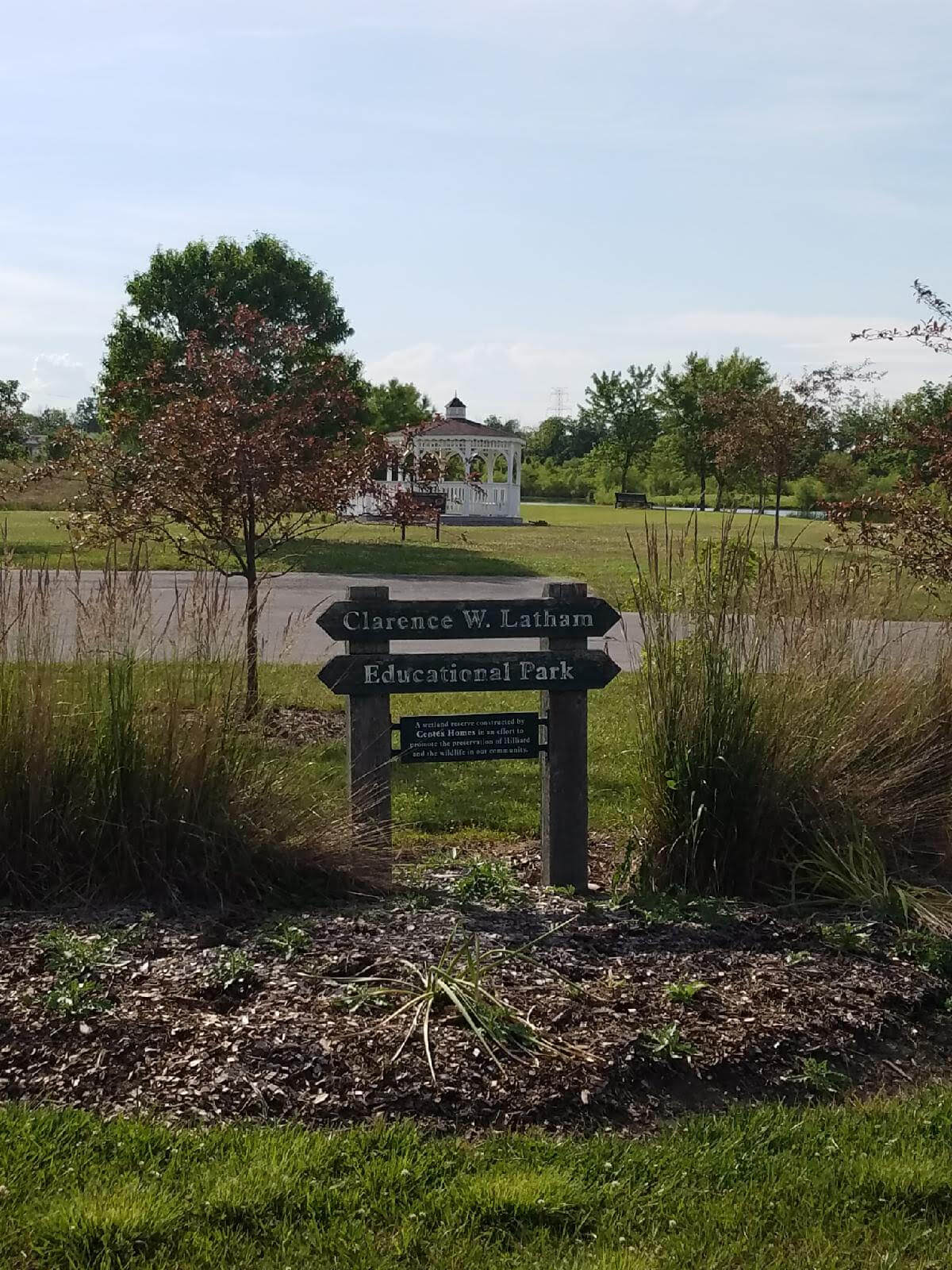
Improvements to the Clarence W. Latham Educational Park are Coming Soon
June 19, 2017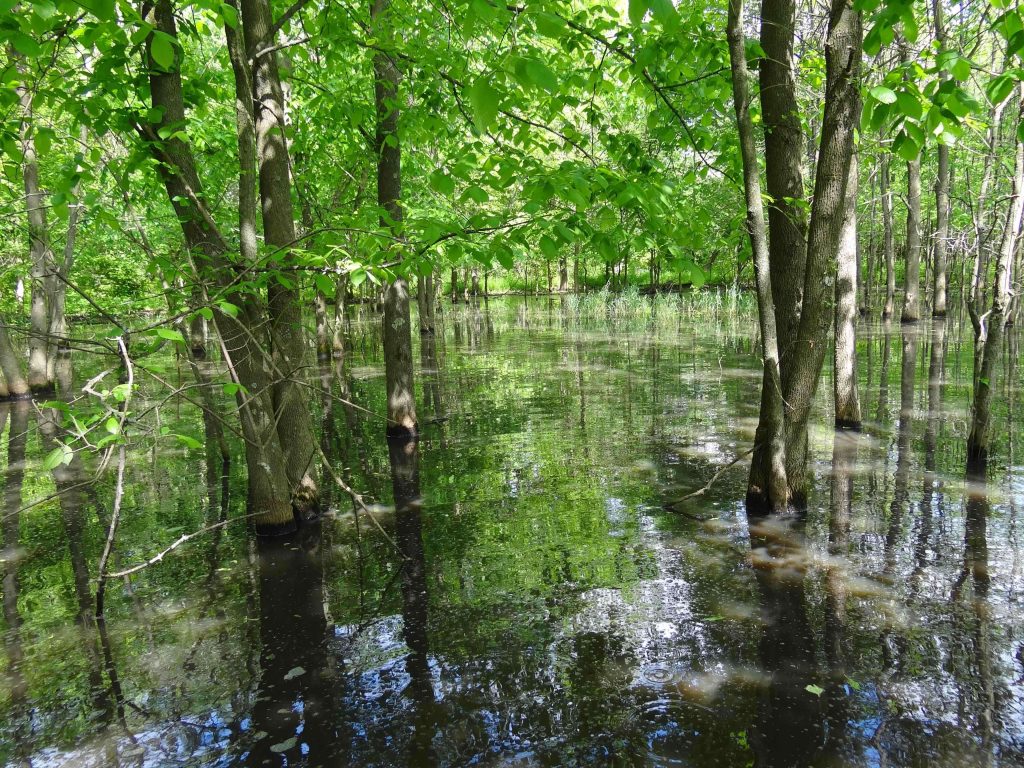
(All photography by David Celebrezze)
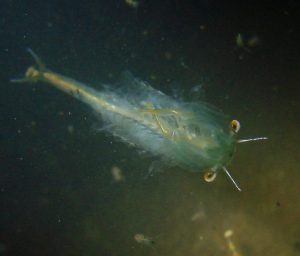
Picture this: It’s nighttime. Completely dark except for the stars above and the flashlight you’re holding. It’s early in the springtime. You have on hip waders and a warm jacket. You’re surrounded by thousands of frogs, their peeping loud enough to make you wish you had ear plugs. You are in a small wetland less than half an acre in size. Five months earlier, at the end of autumn, there was no water where you’re standing but now in March and the water is halfway up your waders. You’ve scouted this site during daylight to get your bearings, but you knew you’d have to come back in the dark for a truer sense of the wildlife activity going on. You shine your flashlight downward, into the water and the illuminated water quickly becomes filled with fairy shrimp. Attracted to your light, they dance not more than a foot from your waders. This is the first time you’ve seen fairy shrimp. Your companions, more experienced and less awed, move on, but you stand transfixed by the dancing shrimp. Dozens of other species of insect and amphibian life writhe in the ten or so cubic feet of water you’re peering into. It’s a plethora of life.
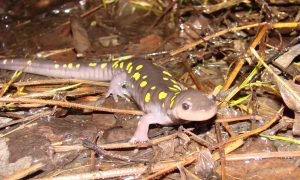 Experiences like this are what hooked David Celebrezze on vernal pools. Celebrezze began his deep involvement with central Ohio’s vernal pool monitoring efforts years ago when he worked for the Ohio Environmental Council. He liked it so much that he’s continued his efforts even after getting a new job (with the city of Columbus’s GreenSpot program). “It’s really eye-opening to observe all of these species right here in our backyards, even in highly developed Franklin county,” Celebrezze remarks. The fairy shrimp is one of two iconic vernal pool species, along with the spotted salamander. A vernal pool is a type of wetland that is seasonal in nature. Most years, a vernal pool will dry or draw down by the end of the year. Because the pools are seasonal they do not support fish, which makes them uniquely accommodating to all sorts of species that would otherwise be preyed upon. How unique are the conditions provided by vernal pools? They are the only places you can find fairy shrimp and they are the only places where spotted salamanders will breed. Vernal pools are typically wooded areas and the average size is around half an acre, though Celebrezze has seen vernal pools 6 feet-by-6 feet thriving well enough to have wood frogs breeding in them.
 In addition to hosting an incredible array of unique wildlife, vernal pools also serve an important role in the water cycle. EPA studies on vernal pools have shown that a one acre vernal pool can store about a million gallons of water a time. Acting as a giant sponge, they prevent flooding by drawing in would-be floodwater and slowly releasing it. And the best part about vernal pools? They are surprisingly free of mosquitoes! Vernal pools are “predator-rich” when it comes to mosquitoes, as they are home to salamanders, frogs, midges and more mosquito hunters.
Because they are so ecologically important, frequently monitoring vernal pools is an important project here in central Ohio. Celebrezze estimates that we’ve lost around 90% of our wetlands in the state of Ohio over the past 120 years of development. Volunteer monitors like Celebrezze play a crucial role in identifying otherwise unknown vernal pools, observing what species are present and estimating the quantity of each observed critter. These observations can help Celebrezze and other central Ohio ecologists identify trends that might signal good or bad vernal pool health. For example, if Celebrezze finds that wood frogs are breeding in a particular vernal pool, he knows that the ecosystem is thriving, as wood frogs are notoriously picky when it comes to where they breed. The monitoring process is part of the larger project of educating the public on the value of vernal pools. The larger the group of monitors and the more detailed the data set they produce, the more likely they are to convince developers to partner with ecologists on responsible regulations that ensure vernal pools are allowed to thrive.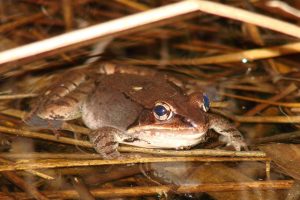
If the opening scene of this blog post appealed to you–if you lost yourself in imagining wading through salamanders, frogs, midges, fairy shrimp and not many mosquitoes–the great news is that you can become a trained Marsh Monitor through the Ohio Wetlands Association. Their website has a compilation of results from marsh monitoring efforts from 1995 – 2012 and guides for getting started as a marsh monitor, including details on the types of amphibians you will likely encounter.
Consider becoming a volunteer so you can be ready and trained when 2018 vernal pool season arrives!
Pictured:
- Wango vernal pool, 2013
- Spotted salamander, spotted at its only breeding ground: a vernal pool
- Fairy shrimp at Hoover Meadows vernal pool
- Wood frog also at Hoover Meadows vernal pool